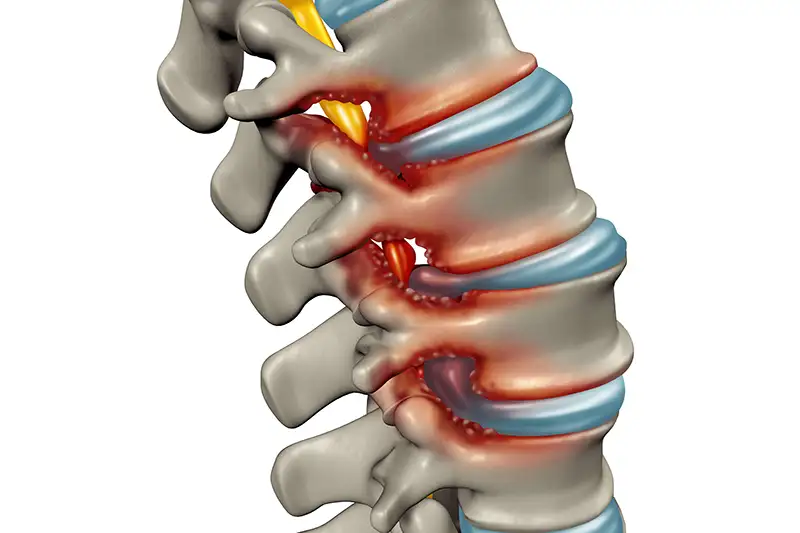
What Is Spinal Stenosis?
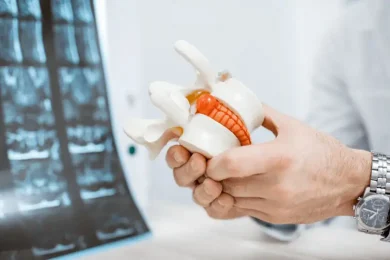
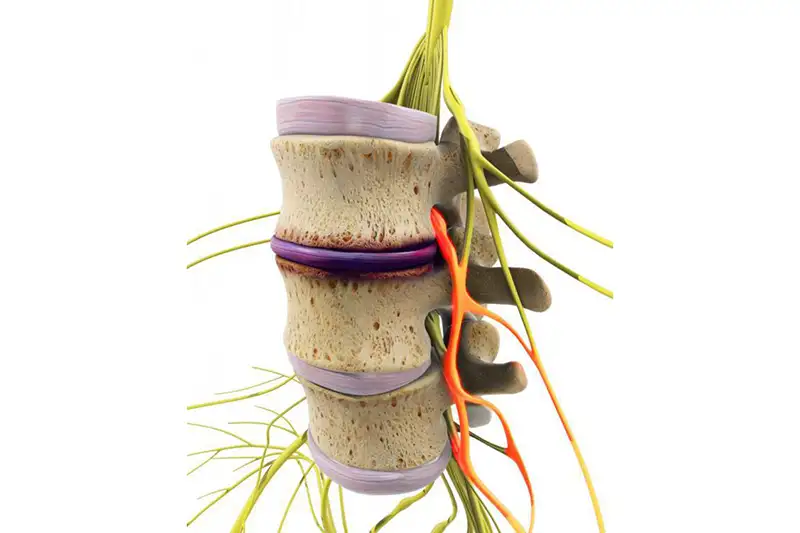
Spinal stenosis refers to the narrowing of the spinal canal, which places pressure on the spinal cord or the nerve roots that branch out from it. When this narrowing compresses the nerve roots, patients experience radiculopathy, meaning pain, tingling, and weakness that radiates from the spine into the arms or legs depending on where the stenosis occurs. Left untreated, spinal stenosis tends to worsen over time, and in more severe cases can lead to nerve damage, loss of function, or loss of bladder and bowel control.
Spinal stenosis can occur in three regions of the spine. Lumbar spinal stenosis affects the lower back and is the most common form, often causing leg pain, weakness, and a condition called neurogenic claudication, which produces cramping in the legs during walking or standing. Cervical spinal stenosis occurs in the neck and can affect the entire body, as compression in this region involves the spinal cord itself rather than individual nerve roots. Thoracic spinal stenosis affects the mid-back and, while less common, can cause significant limitations in movement and in more serious cases can impact balance and bowel or bladder function.
What Causes Spinal Stenosis?
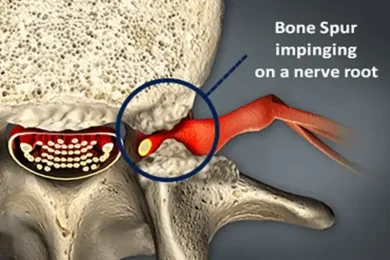
Spinal stenosis can be either inherited or acquired. Patients born with a naturally narrower spinal canal may begin experiencing symptoms earlier in life, while most cases develop gradually as a result of aging. As the spine degenerates over time, cartilage between vertebrae breaks down, bone spurs form, ligaments thicken, and discs may bulge or herniate. All of these changes can encroach on the space available for the spinal cord and nerve roots.
Beyond aging, spinal stenosis can also result from trauma to the spine, spondylolisthesis (where one vertebra slips forward over another), degenerative disc disease, osteoarthritis, rheumatoid arthritis, infections, tumors, or metabolic bone disorders. Risk factors that increase susceptibility include genetics, obesity, smoking, a history of high-impact sports, previous spine surgery, and being over the age of 50. Post-menopausal women face additional risk due to osteoporosis.
Understanding Common Spinal Stenosis Symptoms
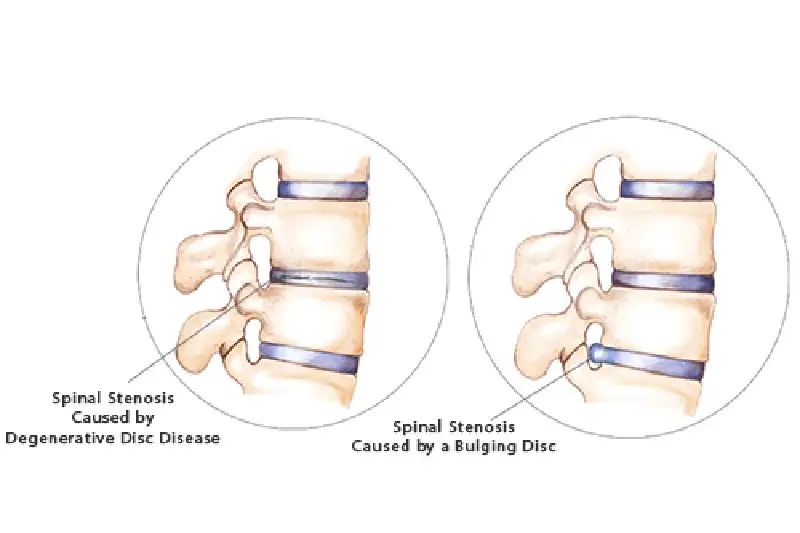
Because spinal stenosis develops gradually, many patients have no symptoms in the early stages. Symptoms typically emerge once the narrowing becomes severe enough to compress a nerve. The specific symptoms depend on where in the spine the stenosis is located.
Lumbar spinal stenosis commonly produces the following symptoms:
- Chronic lower back pain that worsens with standing or walking
- Radiating pain, tingling, or numbness through the buttocks and legs
- Leg weakness that improves when sitting or leaning forward
- Sciatica, including burning or shooting pain down one or both legs
- Inability to walk moderate distances without pain
Cervical spinal stenosis tends to cause:
- Chronic neck pain
- Weakness, numbness, or tingling in the shoulders, arms, or hands
- Numbness that radiates into the legs, sometimes causing loss of balance
Thoracic spinal stenosis symptoms may include:
- Upper or mid-back pain that radiates down the legs or into the ribs
- Limited ability to rotate the torso or move side to side
- Leg aching or weakness that makes walking difficult
- Bowel or bladder dysfunction in more severe cases
Your spinal stenosis symptoms are unique, and so are your treatment needs. Contact our team of world-renowned spine surgeons at the Bonati Spine Institute to determine the right course of care for your specific symptoms and get effective, lasting relief.
X-Rays, MRI Scans & More: Diagnosing Spinal Stenosis
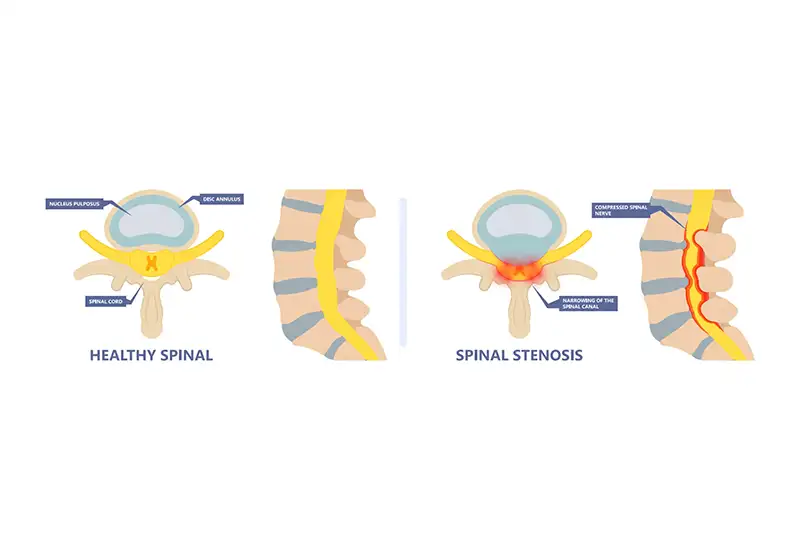
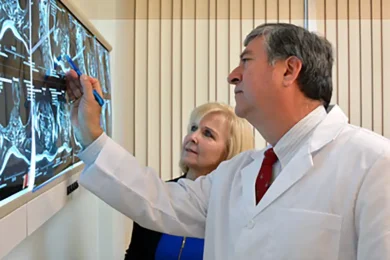
Diagnosis begins with a physical examination that evaluates muscle strength, reflexes, balance, and the location and behavior of pain. A full medical history is reviewed as part of this process. Imaging studies including X-rays, MRI scans, and CT scans are then used to confirm the diagnosis and pinpoint the exact source of nerve compression. An MRI is particularly useful for visualizing compressed nerves, while X-rays help identify bone spurs and spinal instability. A myelogram or electromyography (EMG) may be ordered when additional detail is needed or when neurological damage is suspected.
Non-Surgical Treatment Options for Spinal Stenosis
When spinal stenosis is diagnosed, physicians typically begin with conservative, non-surgical treatment. Physical therapy to strengthen the muscles supporting the neck and back, anti-inflammatory medications, epidural steroid injections, massage, and lifestyle modifications are all commonly used approaches. Low-impact activities such as walking, swimming, stationary biking, yoga, and tai chi can help maintain mobility and reduce symptoms. At-home self-care including posture correction, topical pain relief, proper hydration, a nutritious diet, and weight management can also support recovery.
It is important to understand that while conservative treatments can help manage symptoms, they do not address the underlying structural narrowing of the spinal canal. Over time, many patients find that non-surgical approaches become less effective as the condition progresses, at which point surgery becomes the most appropriate path to lasting relief.
Minimally Invasive Spinal Stenosis Surgery at the Bonati Spine Institute
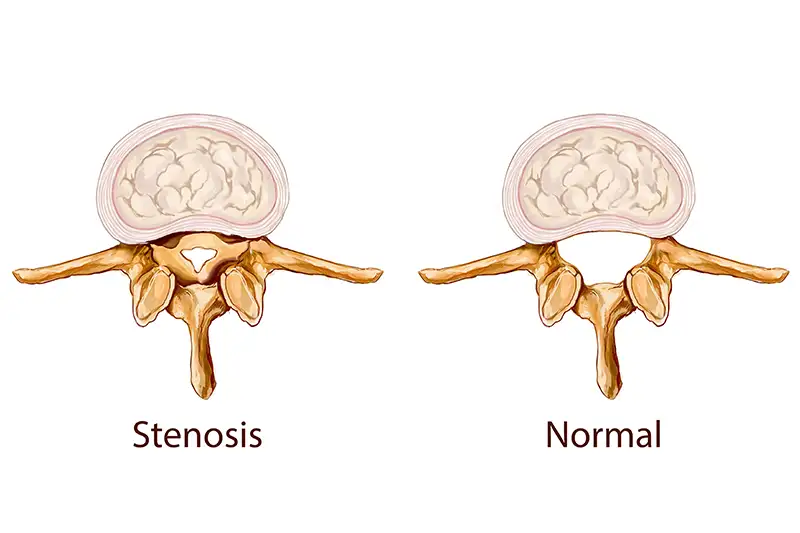
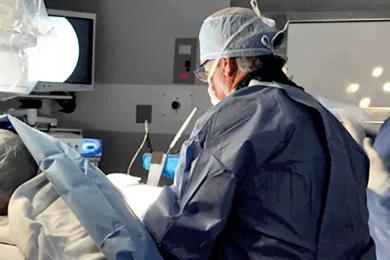
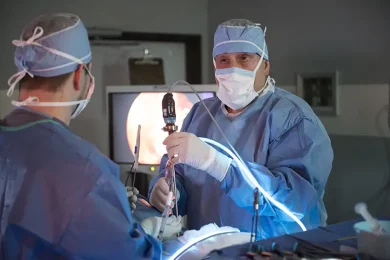
The Bonati Spine Institute has been at the forefront of minimally invasive spine surgery for over 30 years. All procedures are performed at an ambulatory surgery center rather than a hospital, using local anesthesia and conscious IV sedation to eliminate the risks associated with general anesthesia. Surgical treatment for spinal stenosis at the Bonati Spine Institute is tailored to each patient’s condition and may include one or more of the following procedures:
- A laminectomy or laminotomy removes or trims part of the lamina, the bony roof of the spinal canal, to create more space for the compressed nerve roots. This decompresses the spine, reduces inflammation, and can also allow the surgeon to address bone spurs or damaged tissue contributing to the patient’s symptoms.
- A foraminotomy or foraminectomy enlarges the foramen, the passageway through which nerve roots exit the spinal canal. By removing the bone or tissue obstructing this opening, the procedure relieves the nerve compression responsible for radiating pain and inflammation. It is frequently performed in combination with a laminotomy or laminectomy.
- A discectomy removes the portion of a bulging or herniated disc that is pressing on the spinal cord or nerve roots, directly addressing one of the most common structural contributors to spinal stenosis.
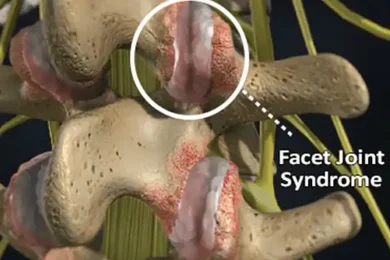
- A facetectomy addresses misaligned or arthritic facet joints that are compressing nearby nerves, often in combination with bone spur removal.
Most patients walk out of the procedure room within an hour and return to normal daily activities within days, not weeks or months. With a 98.75% patient satisfaction rate, the Bonati Spine Procedures have made lengthy and painful recoveries a thing of the past.
Why Patients Choose the Bonati Spine Institute in Hudson, FL
Patients travel to the Bonati Spine Institute from across the United States and internationally, including from throughout the Tampa Bay area and surrounding communities in Pasco and Hernando counties. Whether you have been living with spinal stenosis for years, have tried conservative treatments without lasting success, or are looking for an alternative to traditional open spine surgery, the Bonati team has the expertise and the technology to help.
If you are experiencing chronic back or neck pain, radiating pain or weakness in your arms or legs, or difficulty walking or standing for extended periods, contact the Bonati Spine Institute in Hudson, FL today.
Frequently Asked Questions About Spinal Stenosis Treatment
What is the difference between spinal stenosis and a herniated disc?
A herniated disc occurs when the outer wall of a spinal disc tears and allows the inner material to press on nearby nerves. Spinal stenosis refers to the overall narrowing of the spinal canal itself, which can be caused by herniated or bulging discs but also by bone spurs, thickened ligaments, arthritis, and other degenerative changes. The two conditions often occur together, and the Bonati Spine Institute treats both with minimally invasive outpatient procedures.