What Is Spinal Fusion Reversal Surgery?
Living with persistent pain after spinal fusion surgery can feel discouraging, especially when you went into your original procedure hoping for lasting relief. Many patients describe feeling stuck, sometimes told their operation was technically “successful” even as their symptoms continue or new ones develop. This experience is so common that it has its own clinical name: failed back surgery syndrome. A meaningful percentage of patients who undergo traditional spinal fusion surgery continue to experience pain afterward, and the emotional toll of that ongoing discomfort can be just as heavy as the physical one.
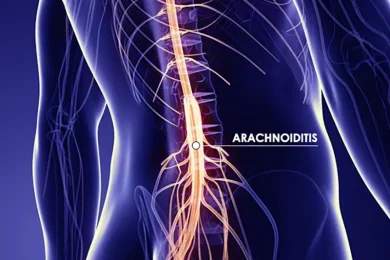
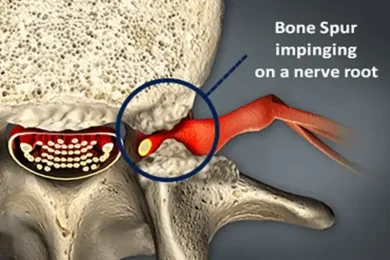
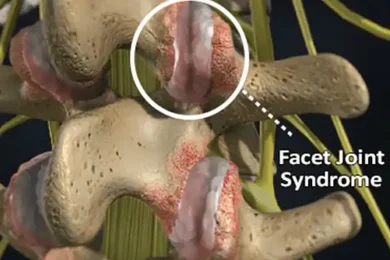
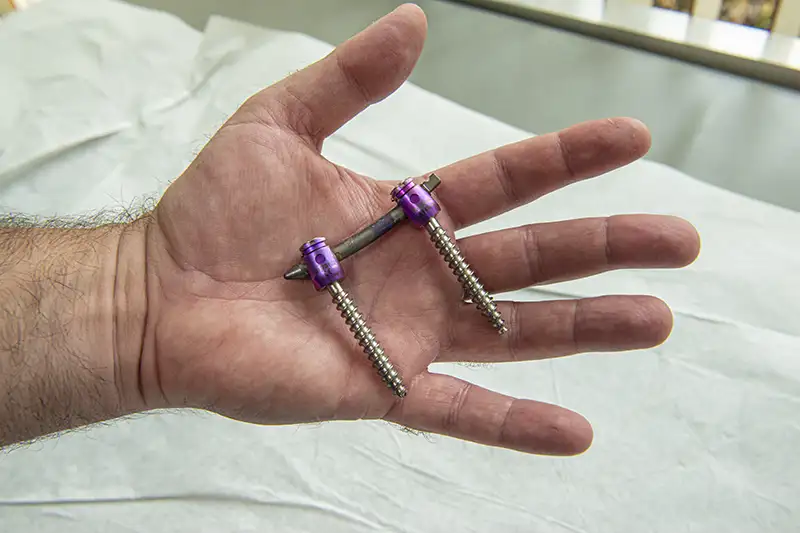
Spinal fusion reversal is a corrective procedure designed to address the anatomical and neurological problems that can develop after an initial fusion. Hardware such as pedicle screws and rods, dense scar tissue, overgrown bone, and the altered mechanics of fused vertebrae can all compress nerves or shift stress to neighboring segments. The goal of reverse spine fusion is not simply to undo a previous operation. It is to identify and treat the specific structures causing pain, restore as much natural movement as possible, and decompress nerves that have been irritated by prior surgical changes.
At the Bonati Spine Institute in Hudson, FL, near Tampa, our surgeons have spent decades refining a patented, minimally invasive approach to spinal fusion removal and revision. If you’re experiencing pain following a failed back surgery, contact our team of world-leading spine surgeons to see if spinal fusion reversal can help you find relief.
Are You a Candidate for Spinal Fusion Reversal?
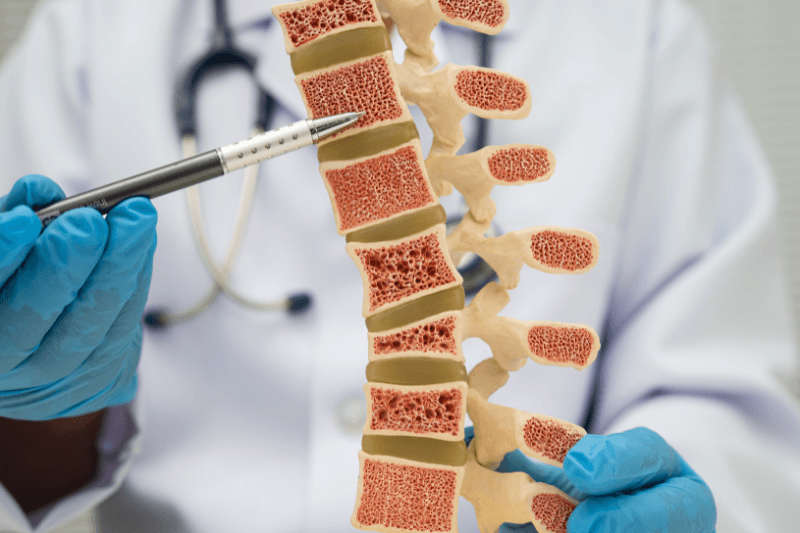
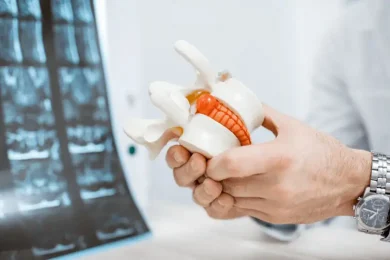
Fusion surgery permanently joins two or more vertebrae, which fundamentally changes how your spine moves and distributes load. When that altered anatomy starts compressing nerves or shifting stress to neighboring segments, the symptoms often appear weeks, months, or even years after the original procedure. If you are experiencing any of the following symptoms, you may be a candidate for spinal fusion reversal:
- Chronic pain in the lower back, buttocks, or legs that has returned or worsened since your fusion
- Burning, tingling, or numbness radiating down one or both legs
- Sharp pain when standing, walking, or changing positions
- Weakness or difficulty controlling the leg or foot
- Pain that intensifies when sitting for extended periods
- A sense that your original procedure never fully resolved your symptoms
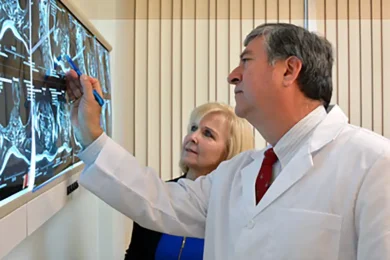
Whether spinal fusion reversal is right for your symptoms depends on your individual imaging, medical history, and overall health, not on how long ago your initial surgery took place. Patients who were told they had no further options, or who have been advised to undergo another large open revision, often qualify for our minimally invasive approach. Our team at the Bonati Spine Institute offers complimentary MRI and CT scan reviews so an experienced spine surgeon can evaluate your case directly and outline your options.
Spinal Fusion Reversal Surgery In Our Tampa-Area Spine Clinic: What to Expect
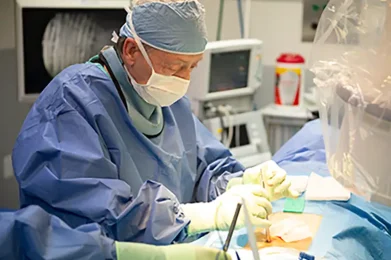
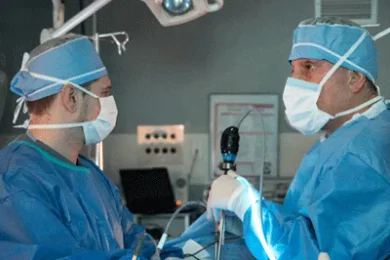
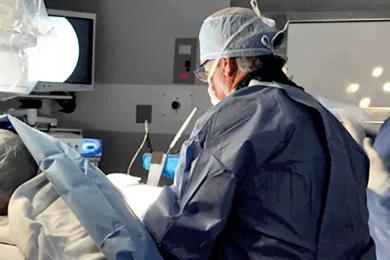
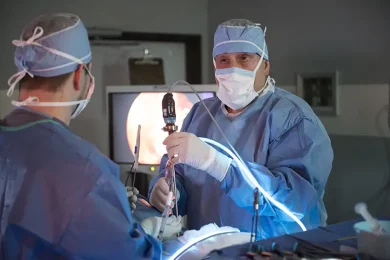
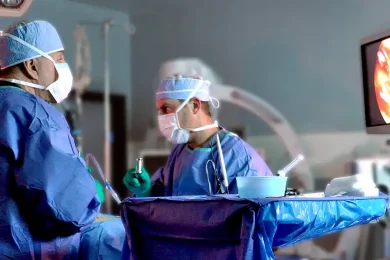
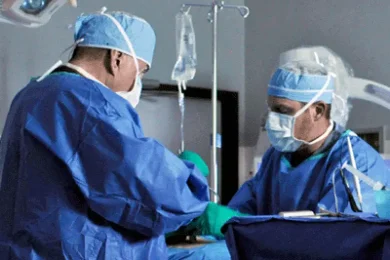
The Bonati Spine Procedures, including spinal fusion reversal surgery, are performed in our state-licensed surgical facility just north of Tampa, in Hudson, Florida. Each procedure begins with imaging that allows the surgeon to identify the precise skin entry point and visualize your anatomy in real time. A small incision is made, and a sequence of tubes is inserted to gently separate soft tissues. A specialized scope and camera are then introduced, giving our surgeons a clear view of the hardware, scar tissue, or bone overgrowth contributing to your pain.
Once the source of pain is identified, our surgeons use proprietary instrumentation to perform spinal fusion removal where appropriate, including the careful extraction of screws and other fasteners. Scar tissue and bony overgrowth are addressed in the same session, freeing compressed nerves and restoring as much of the spine’s natural anatomy as the situation allows. Because the patient remains awake under local anesthesia and conscious IV sedation, our team can verify in real time that pressure has been relieved and that mobility is improving before the procedure is completed.
After surgery, patients move to our post-operative recovery area, meet privately with their surgeon, and begin a guided walking protocol designed to support healing without aggressive bed rest. Our team of spine surgery specialists will continue to provide support for your recovery following your procedure.
Why Patients in Florida and Around the World Choose the Bonati Spine Institute
For more than four decades, the Bonati Spine Institute has been a destination for patients who have run out of answers. Dr. Alfred Bonati pioneered the patented techniques our team uses today, and our facility has performed 80,000+ successful minimally invasive procedures for patients traveling from around the world.
Choosing the right spine fusion surgeon for a revision case is one of the most consequential decisions you can make. Our surgeons focus exclusively on minimally invasive spine care and operate within a single dedicated facility built around that specialty, leading to a 98.75% patient satisfaction rate. Patients consistently tell us that what set their experience apart was the clarity of the initial consultation, the team guiding them through every step, and the ability to address persistent pain without committing to another major open back procedure.
You don’t have to live with the pain of a fusion that didn’t deliver the results you were promised. We have helped thousands of patients move beyond failed back surgery, and we would be honored to review your case. Request your appointment online today to speak with a Patient Advocate and find out whether spinal fusion reversal is the right next step for you.
Frequently Asked Questions About Spinal Fusion Reversal in Hudson, FL
How is your approach different from a traditional revision surgery?
What does recovery look like after a spinal fusion reversal?
Is it too late to have my fusion reversed if my original surgery was years ago?
No. Patients regularly come to us five, ten, or even twenty years after their original fusion, and many are still good candidates for reversal. What matters most is what your current imaging shows and how your symptoms are affecting your daily life, not how much time has passed. A consultation with one of our world-class spine surgeons is the clearest way to find out.