What Is Degenerative Disc Disease?
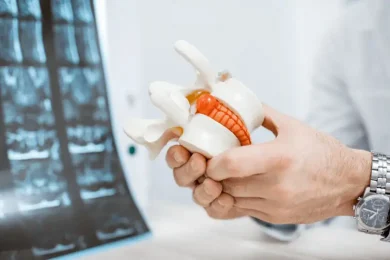
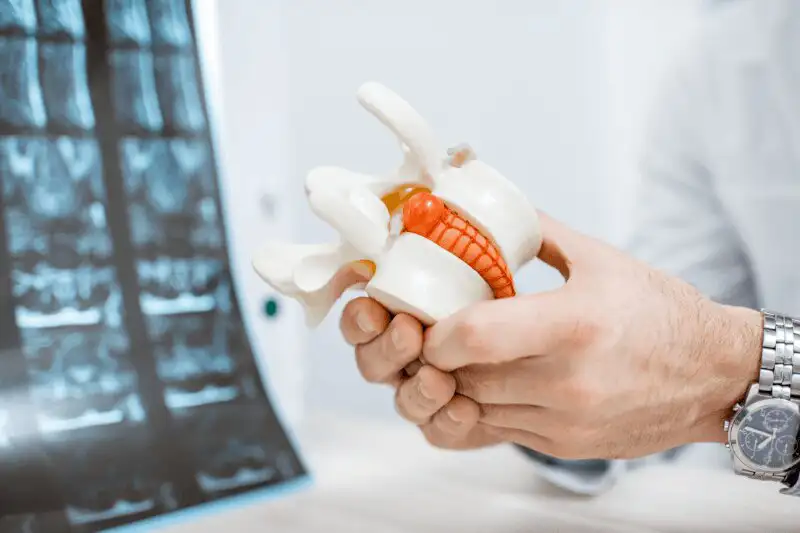
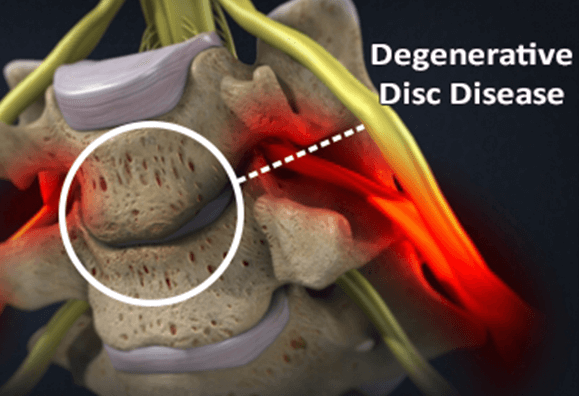
Despite the name, degenerative disc disease is not technically a disease at all. It is a description of what happens to the cushioning discs between your vertebrae as they lose water content, height, and elasticity over time. When these discs flatten and stiffen, the vertebrae sit closer together, the openings where nerves exit the spine narrow, and the entire structure loses some of its natural shock absorption. The result, for many people, is pain that feels disproportionate to whatever activity triggered it.
Patients often arrive at our practice frustrated because the changes happening in their spine were never clearly explained to them. They have been told they have arthritis, or aging discs, or simply that this is what happens after a certain age, without much insight into why their pain comes and goes the way it does. Disc desiccation, the medical term for the drying out of a spinal disc, is one of the earliest changes radiologists describe on MRI reports, and it is often the first concrete clue that intervertebral disc degeneration is contributing to your pain. By age 40, almost everyone shows some degree of disc wear on imaging, but only a portion of those people experience pain or functional limitations.
At the Bonati Spine Institute, we understand how challenging degenerative disc pain can be, and we’ve helped thousands of patients just like you get long-lasting relief. If you’re ready to put an end to your pain, contact our team to get help with your degenerative disc disease today.
What Causes Degenerative Disc Disease?
Aging is the primary driver of disc degeneration, but it is rarely the whole story. Genetics, repetitive strain, prior injuries, smoking, and excess body weight all accelerate the process. Heavy physical labor, particularly jobs that involve repeated lifting or twisting, places sustained stress on the discs and tends to bring symptoms on earlier. A single significant injury, such as a fall or motor vehicle accident, can also kickstart degeneration in a previously healthy disc by creating small tears in the outer ring that never fully heal.
Disc degeneration can occur anywhere along the spine, and the location often determines what symptoms you feel. Lumbar degenerative disc disease is the most common form because the lower back carries the bulk of your body weight and absorbs the most stress during daily activity. Cervical degenerative disc disease affects the neck and is the second most common form, often producing pain that radiates into the shoulders and arms. Thoracic degenerative disc disease, which affects the mid-back region, is less common but tends to cause pain near the site of the affected disc and sometimes wraps around the ribcage. Many patients we’ve helped over the years had intervertebral disc degeneration at more than one level, and changes in one disc can place additional strain on neighboring segments over time.
Degenerative Disc Disease Symptoms and Warning Signs
Aging is the primary driver of disc degeneration, but it is rarely the whole story. Genetics, repetitive strain, prior injuries, smoking, and excess body weight all accelerate the process. Heavy physical labor, particularly jobs that involve repeated lifting or twisting, places sustained stress on the discs and tends to bring symptoms on earlier. A single significant injury, such as a fall or motor vehicle accident, can also kickstart degeneration in a previously healthy disc by creating small tears in the outer ring that never fully heal.
Disc degeneration can occur anywhere along the spine, and the location often determines what symptoms you feel. Lumbar degenerative disc disease is the most common form because the lower back carries the bulk of your body weight and absorbs the most stress during daily activity. Cervical degenerative disc disease affects the neck and is the second most common form, often producing pain that radiates into the shoulders and arms. Thoracic degenerative disc disease, which affects the mid-back region, is less common but tends to cause pain near the site of the affected disc and sometimes wraps around the ribcage. Many patients we’ve helped over the years had intervertebral disc degeneration at more than one level, and changes in one disc can place additional strain on neighboring segments over time.
Degenerative Disc Disease Symptoms: Are You a Candidate for Surgery?
Recognizing degenerative disc disease symptoms is rarely as simple as identifying a single sharp pain. The condition tends to produce a fluctuating mix of discomfort, with good weeks and bad weeks, periods of relative ease followed by flare-ups triggered by something as ordinary as a long car ride or an awkward night of sleep. You may feel stiff first thing in the morning, loosen up with movement, and then ache again after prolonged sitting.
The specific symptoms depend on where the affected disc sits along your spine and whether it is irritating nearby nerves. Common signs that disc degeneration may be contributing to your pain include:
- Chronic low back pain that worsens with sitting, bending, lifting, or twisting
- Neck pain that radiates into the shoulders, arms, hands, or fingers
- Numbness, tingling, or weakness in the arms or legs
- Pain in the buttocks or thighs that flares up when walking or standing
- Episodes of sciatica or shooting nerve pain down one leg
- Reduced range of motion or a sense of stiffness that limits your activities
If these symptoms feel familiar, you may be a candidate for evaluation at the Bonati Spine Institute. Candidacy for surgical care is never determined by symptoms alone. It depends on your imaging, your response to conservative treatment, and how significantly the condition is interfering with your life. A consultation with our world-class spine team can give you a clear picture of whether degenerative disc surgery is right for you.
Our Patented Bonati Surgical Procedures for Degenerative Disc Disease
When conservative degenerative disc disease treatment hasn’t helped and pain continues to limit your daily life, surgery may be required. The Bonati Spine Procedures are designed for exactly this point in the journey, when you need more than medication but want to avoid the long recovery and inpatient stay associated with traditional open back surgery.
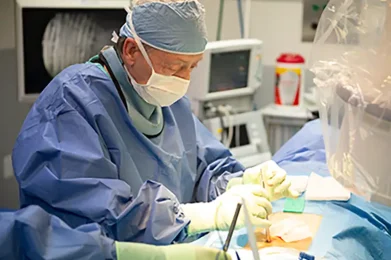
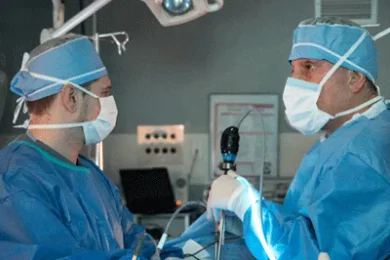
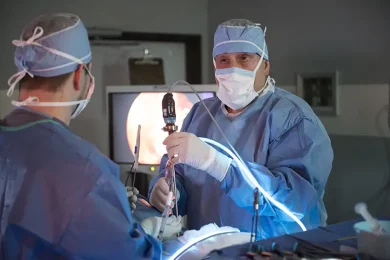
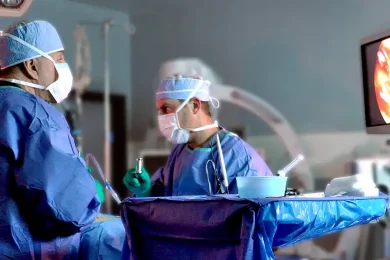
Our world-leading surgeons use small incisions, fluoroscopic guidance, conscious IV sedation, and patented instrumentation to address the specific structures generating your pain. Because patients remain awake and responsive throughout the procedure, our team can confirm symptom relief in real time before the operation is completed. Depending on your anatomy and which structures are contributing to your pain, your surgical plan may include one or more of the following techniques:
- Discectomy to remove the portion of a damaged or bulging disc that is compressing nearby nerves
- Laminectomy or laminotomy to widen the spinal canal and relieve pressure on the spinal cord or nerve roots
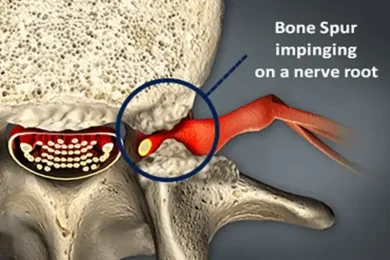
- Foraminectomy or foraminotomy to enlarge the small openings where nerves exit the spine when they have been narrowed by disc collapse or bone overgrowth
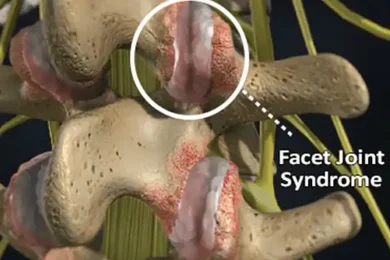
- Facet thermal ablation to interrupt pain signals from arthritic facet joints contributing to chronic back pain
- Laser debridement to remove damaged or inflamed tissue with precision
Each of these procedures is performed in our outpatient surgical facility just north of Tampa, with no general anesthesia and no hospital stay. Most patients begin a guided walking protocol the same day and return home shortly after their surgeon confirms recovery is on track.
Why Surgery Patients in Florida and Around the World Choose the Bonati Spine Institute
For more than 40 years, the Bonati Spine Institute has been a destination for patients who want the best available advanced spine surgery. Dr. Alfred Bonati pioneered the patented techniques our team continues to use and refine today, and our facility has performed more than 80,000 minimally invasive procedures with a patient satisfaction rate above 98.75%. Patients travel to Hudson from across Florida, the U.S., and around the world because our model offers something difficult to find elsewhere: advanced spine surgery without general anesthesia, large incisions, or extended hospital stays.
Our team at the Bonati Spine Institute has helped thousands of patients find lasting relief, and we would be glad to take a closer look at your case. Request your appointment online today to find out whether the Bonati Spine Procedures could be the right next step for your degenerative disc disease pain.