What Is a Bulging Disc?
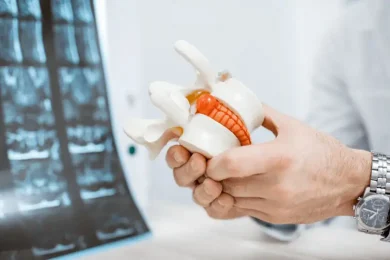
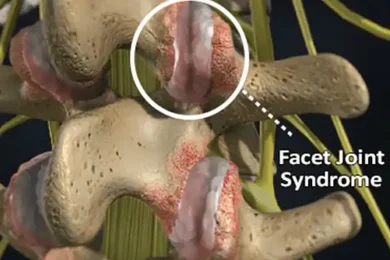
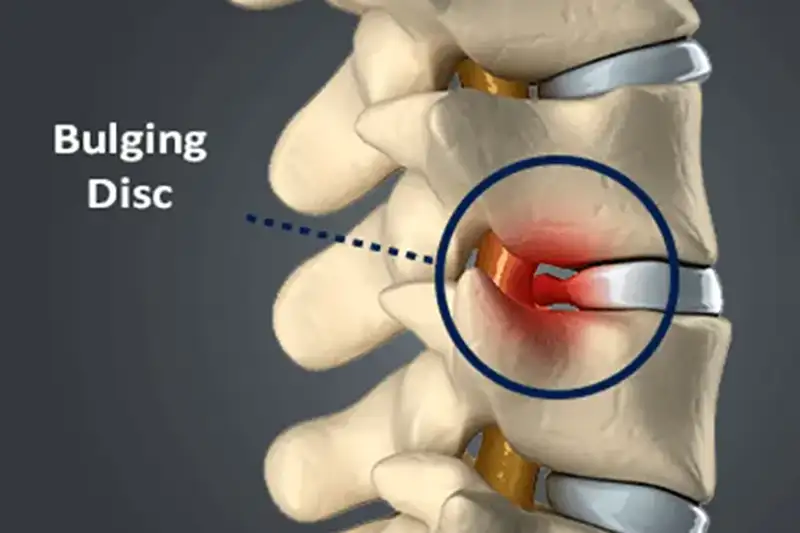
A bulging disc occurs when the inner portion of an intervertebral disc begins to protrude through the outer wall without fully breaking through it. Unlike a herniated disc, where the outer wall has partially or completely ruptured, a bulging disc is considered a “contained” condition. The intervertebral discs sit between each vertebra and act as shock absorbers for the spine.
When one of these discs bulges, it can press on surrounding nerve roots and cause pain that radiates into different areas of the body depending on its location. If left untreated, a bulging disc can progress to full herniation and may eventually contribute to related conditions such as spinal stenosis.
About 90 percent of bulging disc cases occur in the lower back, most commonly between vertebrae L4/L5 and L5/S1. When the bulge puts pressure on the sciatic nerve, it can lead to sciatica, causing pain, tingling, numbness, and weakness that travels from the lower back through the buttocks and down the leg.
What Causes Bulging Discs?
The most common cause of a bulging disc is aging. Over time, intervertebral discs lose water content and structural integrity, making them more susceptible to displacement. Poor posture and slouching can weaken the posterior fibers of the disc over time, gradually shifting the nucleus fluid backward and increasing the risk of a bulge. Trauma such as a car accident, sports injury, or improper lifting can also cause or accelerate disc damage by tearing the annular fibers that hold the disc in place.
Additional causes and risk factors include pre-existing weakness of the annulus, general disc degeneration, repetitive bending or heavy lifting at work, excess body weight, and genetics. Research has linked symptomatic lumbar disc disease to hereditary factors, meaning those with a family history of spinal conditions may face a higher risk.
Recognizing Bulging Disc Symptoms
In its early stages, a bulging disc may cause no symptoms at all. Many patients are unaware of the condition until imaging reveals it, or until the disc begins compressing a nearby nerve. Once that compression occurs, symptoms vary based on where in the spine the disc is located.
A bulging disc in the cervical spine (neck) can cause pain that radiates from the neck down into the arms and fingers, along with tingling, numbness, and muscle weakness. Common cervical symptoms include:
- Deep pain near or over the shoulder blades
- Neck stiffness and pain along the back and sides of the neck
- Pain that radiates to the shoulder, upper arm, or forearm
- Tingling or numbness in the arms or hands
- Muscle weakness in the arms
- Pain that worsens when bending or turning the head
A bulging disc in the thoracic spine (mid-back) tends to produce upper back pain that can radiate to the chest or stomach, sometimes mimicking gastrointestinal or cardiac symptoms. Additional thoracic symptoms can include:
- Muscle weakness or tingling in one or both legs
- Increased reflexes or spasticity in the legs
- Difficulty maintaining posture or sitting comfortably for extended periods
- Pain that worsens with certain movements or positions
A bulging disc in the lumbar spine (lower back) commonly causes pain in the hips, buttocks, legs, and feet. Sciatica is a frequent result, with pain, weakness, and numbness traveling down one leg. Other lumbar symptoms may include:
- Severe low back pain
- Pain that radiates to the buttocks, legs, and feet
- Tingling or numbness in the legs or feet
- Muscle weakness or atrophy in more advanced cases
- Pain that worsens with coughing, straining, or bending
A thorough review and examination by one of our world-leading spine surgery experts can help determine the cause of your symptoms and whether a patented Bonati Spine Procedure could be right for you.
Nonsurgical Treatment Options for Bulging Disc

When a bulging disc is identified as the source of neck or back pain, physicians typically begin with conservative, non-surgical treatment. For many patients, a combination of anti-inflammatory medications, epidural steroid injections, physical therapy, and targeted exercise is enough to manage symptoms and allow the condition to improve over time.
Lifestyle adjustments such as losing weight, quitting smoking, correcting posture, and following an anti-inflammatory diet can also play a meaningful role in reducing disc degeneration and alleviating pain.
When conservative treatment fails to provide lasting relief and symptoms become chronic or progressively worse, surgery may be the most appropriate next step.
Minimally Invasive Bulging Disc Surgery at the Bonati Spine Institute
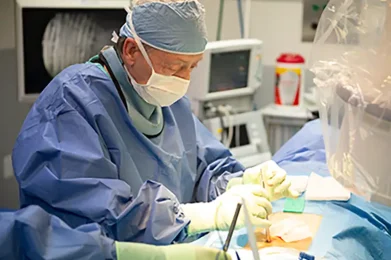
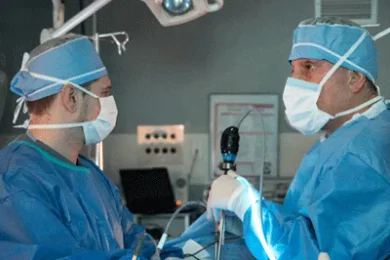
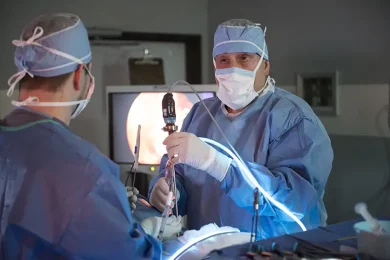
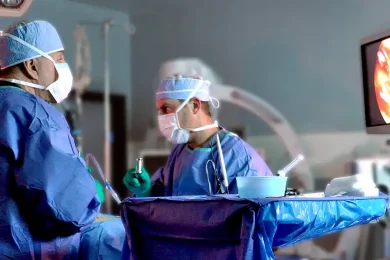
The Bonati Spine Institute offers a surgical approach that is fundamentally different from traditional open spine surgery. Dr. Alfred Bonati, a pioneer in endoscopic spine surgery and the first surgeon in the United States to receive FDA approval for laser use in spine procedures, has developed patented, minimally invasive techniques that address the root cause of disc-related pain without the risks or recovery time associated with conventional surgery. All procedures are performed on an outpatient basis, meaning no hospital stay and a significantly faster return to normal life.
Surgical treatment for a bulging disc at the Bonati Spine Institute may include one or more of the following procedures, depending on the location and severity of the condition:
- Discectomy: This procedure involves removing the damaged portion of the disc that is compressing the nerve. Using specially adapted patented endoscopic instruments, and in some cases the Holmium YAG laser, the surgeon removes the problematic disc material with precision and minimal disruption to surrounding tissue.
- Foraminotomy: Enlarges the passageway through which nerve roots exit the spinal canal, relieving the compression that causes radiating pain and inflammation.
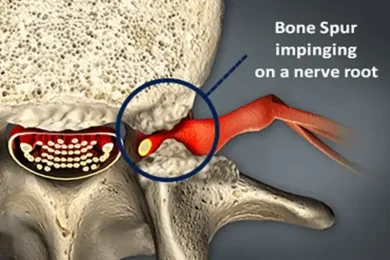
- Laminotomy or laminectomy: This surgical technique involves removing or trimming part of the lamina, the bony arch that forms the back of the spinal canal. This widens the canal, relieves pressure on the nerve roots, and provides the surgeon with the access needed to address the underlying disc problem. Bone spurs and damaged tissue contributing to inflammation may also be removed during this step.
Why Patients in Hudson, Tampa, and Beyond Choose the Bonati Spine Institute
Patients come to the Bonati Spine Institute from across the country and around the world, including from throughout the Tampa Bay area and surrounding communities in Pasco and Hernando counties. The Institute has successfully performed thousands of procedures for bulging disc treatment, and its results speak for themselves. Whether you have already tried conservative treatments without success, are looking for an alternative to traditional open surgery, or have experienced a failed prior back surgery, Dr. Bonati and his team are here to help.
If you are experiencing back pain, radiating leg or arm pain, numbness, or any of the symptoms described above, contact the Bonati Spine Institute in Hudson, FL today.