What Is Sciatica?
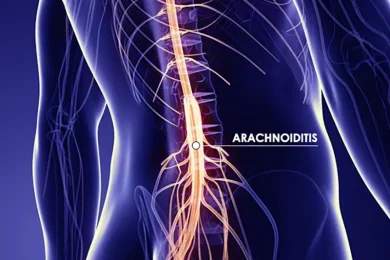
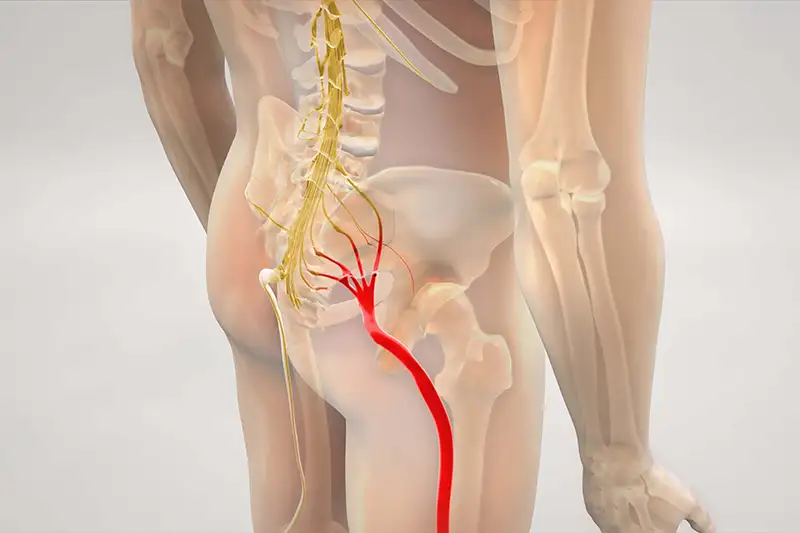
Sciatica is the term used to describe pain that radiates along the path of the sciatic nerve, which runs from the lower back through the buttocks and down each leg. The sciatic nerve is the largest and longest nerve in the human body, and when something in the spine compresses or irritates it, the resulting pain can be sharp, burning, electric, or deeply aching. Most patients feel symptoms on only one side of the body, though in less common cases, both legs are affected.
It is important to understand that sciatica is not actually a diagnosis on its own. It is a symptom of an underlying spinal condition that is putting pressure on the nerve. The vast majority of cases trace back to a problem in the lumbar spine, often at the L4-L5 or L5-S1 level, where the nerve roots that combine to form the sciatic nerve exit the spinal column. When those nerve roots are pinched, blood flow and nutrient delivery along the nerve are disrupted, which is why pain can radiate so far down the leg from a problem rooted in the lower back.
What makes this condition particularly difficult is how unpredictable it can be. Some patients feel constant, burning pain. Others have episodes that flare with sitting, bending, or coughing and then ease for hours at a time. Some experience numbness or weakness rather than sharp pain, and a few notice their foot drags when they walk.
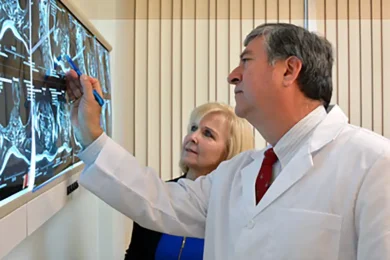
At the Bonati Spine Institute, our surgeons take time to map your specific symptoms to your imaging and physical exam, because the right procedure depends entirely on identifying which nerve root is involved and what is compressing it. Contact us today in our Hudson, FL, surgery clinic if you’re experiencing sciatic nerve pain and want to find a lasting solution to live pain-free.
What Causes Sciatica & Sciatic Nerve Pain?
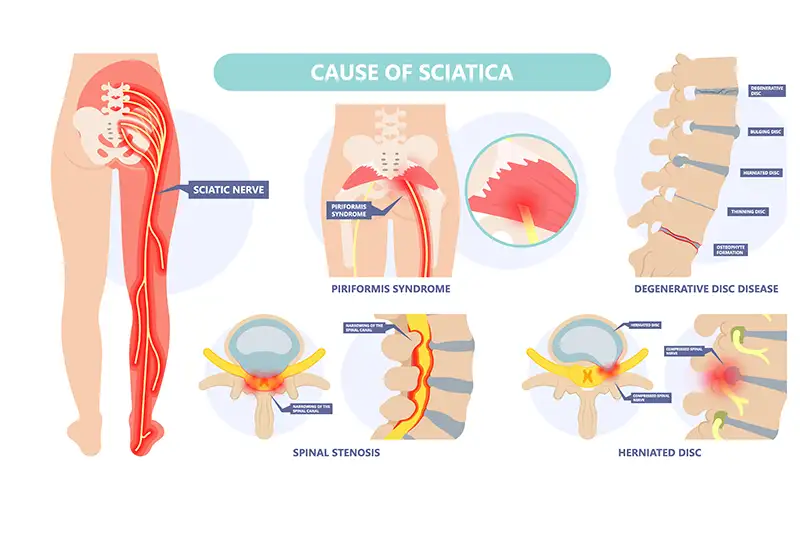
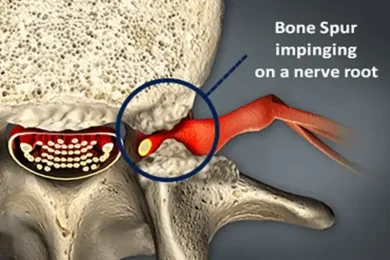
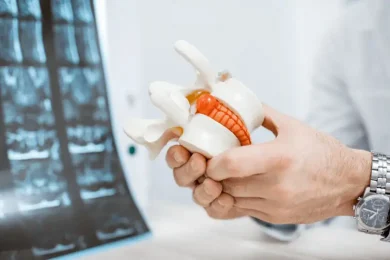
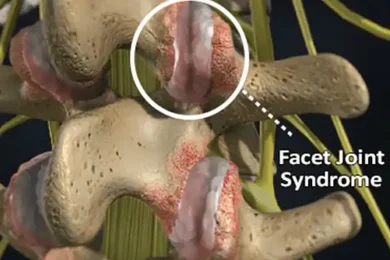
Most cases of sciatica are caused by a structural problem in the lumbar spine that is pressing on a nerve root. A herniated or bulging disc is by far the most common culprit, accounting for the majority of cases we see. When the soft inner material of a disc pushes through its outer ring, it can directly contact the nerve, trigger inflammation, and produce the classic radiating pain pattern. Other common spinal conditions that cause sciatic nerve compression include lumbar spinal stenosis, degenerative disc disease, bone spurs, spondylolisthesis, and severe arthritis of the facet joints.
A smaller portion of cases can be caused by issues outside the spine itself. Pregnancy can shift weight distribution and compress the nerve. Piriformis syndrome occurs when the piriformis muscle in the buttocks irritates the sciatic nerve as it passes underneath. Tumors, infections, and traumatic injuries are rare but possible causes. Risk factors that make any of these underlying conditions more likely include age-related disc degeneration, smoking, obesity, jobs that involve repetitive lifting or twisting, and sedentary lifestyles that weaken the muscles supporting the spine. Because the cause determines the treatment, getting clarity on what is actually compressing your nerve is the most important first step toward relief.
Understanding Your Pain: Common Symptoms of Sciatica
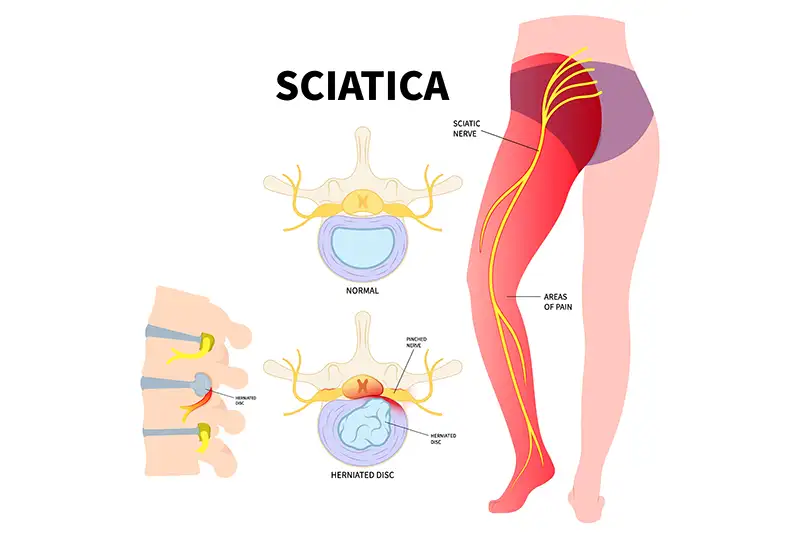
Sciatica symptoms vary depending on which nerve root is affected and how severely it is being compressed. Some patients describe a sharp, stabbing pain that takes their breath away when they stand up. Others feel a constant burning sensation, a deep ache, or a pins-and-needles tingling that runs from the lower back into the foot. Many patients notice that certain positions make the pain worse, particularly prolonged sitting, bending forward, or twisting, while others find that lying down brings little relief.
If you have any of the following symptoms, contact us now to set up a consultation with our team of spine specialists:
- Pain that radiates from your lower back through your buttock and down one leg
- Burning, tingling, or pins-and-needles sensations in the leg, foot, or toes
- Numbness or muscle weakness that makes walking, climbing stairs, or lifting your foot difficult
- Sharp, electric pain triggered by sitting, sneezing, or coughing
- Sciatica pain that has lasted more than six weeks despite physical therapy, medications, or injections
- A previous diagnosis of herniated disc, bulging disc, or spinal stenosis with ongoing leg pain
You may be a candidate for the Bonati Spine Procedures if conservative care has not provided lasting relief or if your symptoms are progressing.
The Bonati Spine Procedures: Sciatica Surgery in Our Hudson, FL, Surgical Center
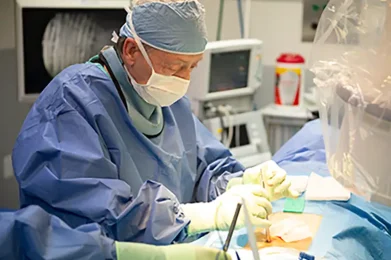
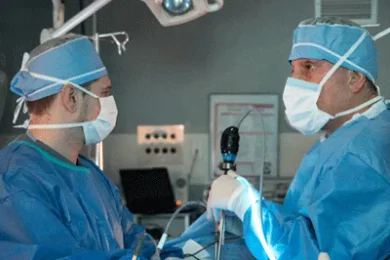
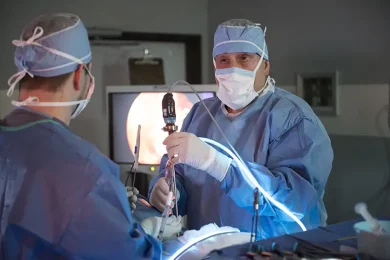
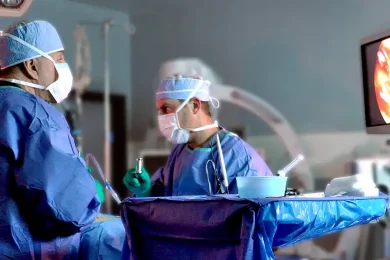
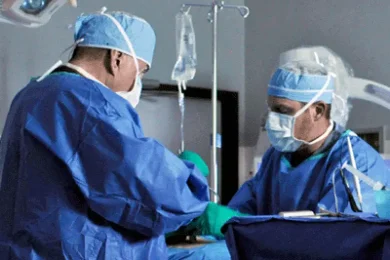
Traditional open spine surgery involves large incisions, general anesthesia, hospital stays, and extended recovery times that can keep patients sidelined for months. The Bonati Spine Procedures take a fundamentally different approach. We perform sciatica surgery in our outpatient facility just north of Tampa using small incisions, fluoroscopic guidance, conscious IV sedation, and patented surgical instrumentation developed over decades of focused refinement.
Because patients remain awake and responsive throughout the procedure, our surgical team can confirm that nerve compression has been relieved in real time, often before the operation is even complete. The specific technique used depends on what is compressing your sciatic nerve:
- A laser discectomy removes the portion of a herniated or bulging disc that is pressing on the nerve.
- A foraminotomy widens the small opening where the nerve root exits the spine, freeing it from bone or tissue overgrowth.
- A laminectomy or laminotomy creates more space within the spinal canal itself, decompressing the nerve roots when stenosis is the cause.
Most of our patients return home the same day and begin a guided walking protocol designed to support healing without bed rest or heavy bracing.
Why Sciatica Surgery Patients Everywhere Choose the Bonati Spine Institute
The Bonati Spine Institute has been a destination for patients searching for an alternative to traditional open back surgery for more than 40 years. Dr. Alfred Bonati pioneered the patented techniques our team continues to use and refine today, and our facility has performed more than 80,000 successful minimally invasive procedures with a patient satisfaction rate of 98.75 percent. Patients travel to Hudson from across Florida, the U.S., and around for targeted relief without general anesthesia, large incisions, or hospital admission.
Many patients arrive after years of being told to live with their pain, try another round of injections, or commit to a major fusion they did not want. Our world-renowned surgeons specialize exclusively in minimally invasive spine care, and our facility is purpose-built around spine surgery.
Request your appointment online today to speak with our team at the Bonati Spine Institute and find out whether the Bonati Spine Procedures could be the right next step for your sciatica pain.
Frequently Asked Questions About Sciatica Surgery in Hudson, FL
How long should I try conservative treatment before considering surgery?
Most spine specialists recommend at least six to twelve weeks of conservative care, including physical therapy, anti-inflammatory medications, and sometimes steroid injections, before discussing surgical options. That timeline shifts if you are losing strength in the leg, struggling to walk, or experiencing changes in bladder or bowel function, which can indicate a more urgent problem. If you have already passed that conservative window without meaningful improvement, contact us today.
The Bonati Spine Institute has performed nearly 80,000 surgical procedures with a 98.75 percent patient-reported satisfaction rate.
Contrary to some reports and attacks by others in the industry who have unsuccessfully attempted to imitate Dr. Bonati’s surgical technique, Dr. Bonati has never had his license revoked, and the Bonati Spine Institute has never stopped seeing and treating patients.
Will sciatica surgery affect my ability to bend or move normally?
Can sciatica come back after surgery?
How quickly will I feel relief after sciatica surgery?
Many patients notice a significant reduction in leg pain almost immediately, sometimes even before they leave the operating room, because the nerve compression is addressed directly during the procedure. Some lingering soreness, numbness, or tingling can persist for several weeks as the nerve itself heals, particularly if it had been compressed for a long time before surgery.