What Is Radiculitis?
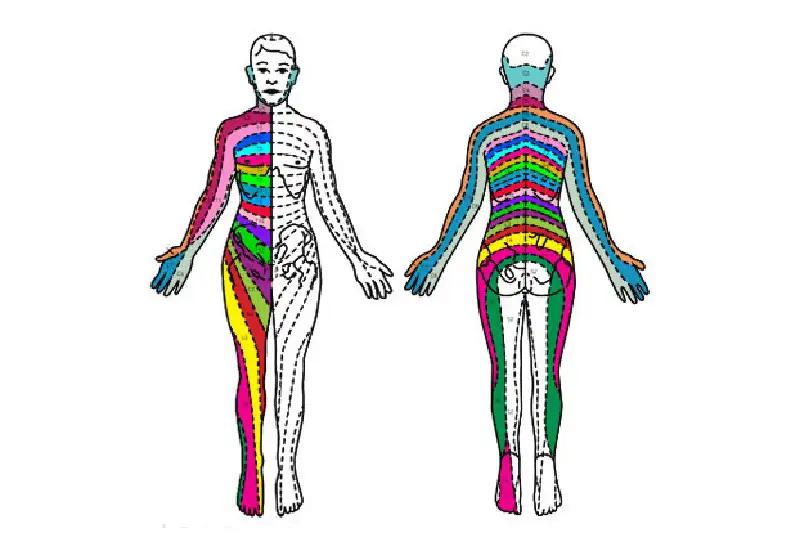
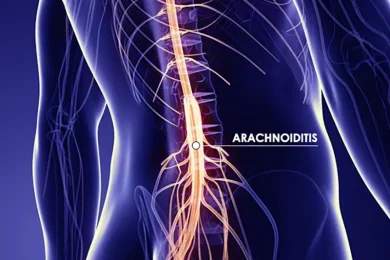
Radiculitis or radicular pain is transferred pain that is “radiated” along the path of a nerve due to pressure on the nerve root at its connection to the spinal column. Because the spinal nerves branch out to other areas of the body, the symptoms of radiculitis can be felt in other places beside the location of the affected disc and nerve root. The disease is often caused by direct pressure on nerve roots that shows up in areas of the skin that are controlled by the specific sensory fibers of the nerve roots.
In its early stages, this pain can be mild, but when left untreated, it can escalate into a more severe condition. Also, since it can occur at any location of the spine, symptoms may vary and make it difficult to pinpoint.
Types of Radiculitis
Radiculitis can be categorized by the location in which the nerves are being affected. It can be categorized as cervical, thoracic, and lumbar radiculitis.
Cervical Radiculitis
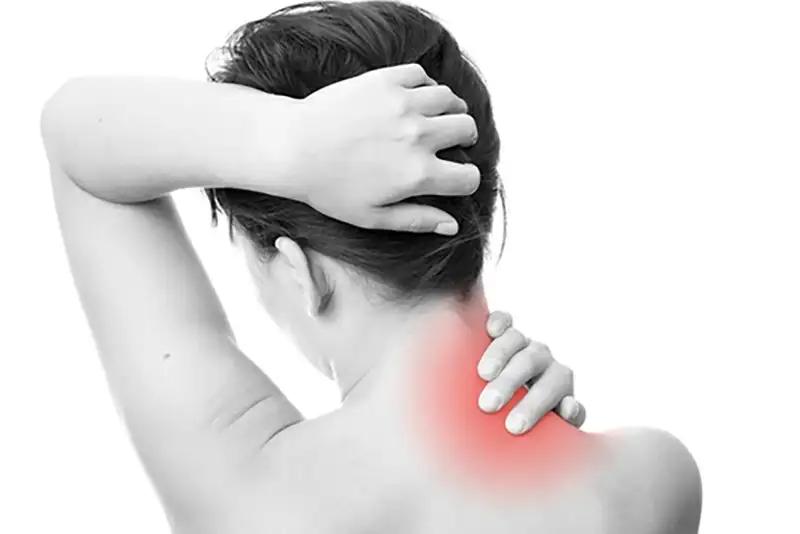
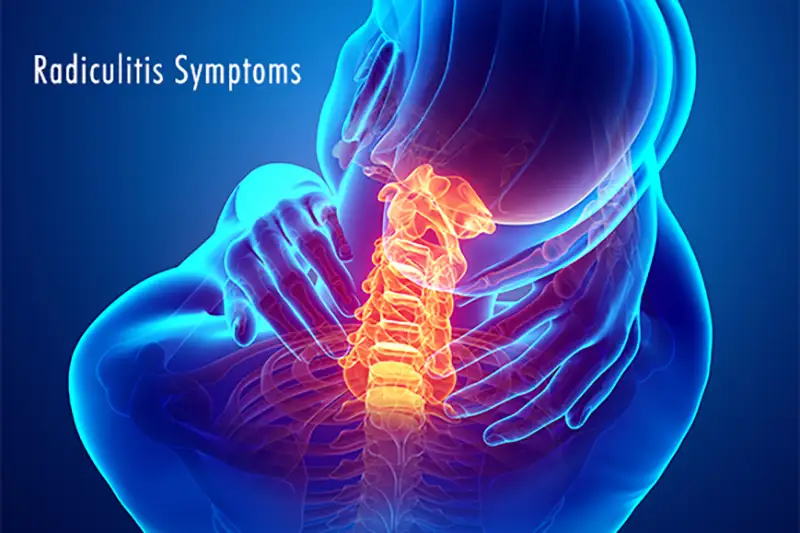
Cervical radiculopathy is characterized by the compression of nerve roots in the upper part of the spine. The “cervical” spine consists of the first seven vertebrae, starting from the bottom of the skull. Depending on which disc is affected, you may feel pain in the arms, chest, neck, or shoulders. Other symptoms can include numb fingers and weak muscles in the arms and chest.
Thoracic Radiculitis
Thoracic radiculopathy is characterized by the compression of nerve roots in the thoracic spine. Radiculitis that happens in the thoracic spine will likely cause pain in the chest area. The area that is inflamed is very painful and can even cause a numb or tingling sensation. Many times, symptoms can include a tight feeling in the chest.
Lumbar Radiculitis
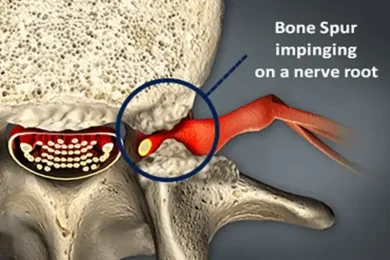
Lumbar radiculopathy is characterized by the compression of nerve roots in the lower part of the spine (lumbar spine). A common form of radiculitis is sciatica, or radicular pain that radiates along the sciatic nerve from the lower spine to the lower back, gluteal muscles, back of the upper thigh, calf, and foot. This is often caused by nerve root compression from a lumbar disc herniation or bone spurs in the lumbar region of the spine.
Causes of Radiculitis
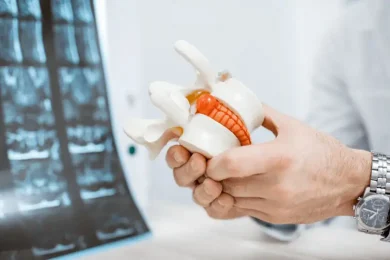
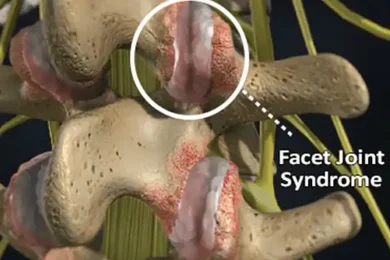
In many cases, this condition is the result of some spinal abnormalities, such as a spinal disc pressed against the nerves, a herniated disc, or a bulging disc. Factors such as age, injuries, genetics, poor posture, obesity, smoking, and other can increase the risk of spinal abnormalities, which can result in radicular pain.
Also, many conditions are the primary cause of radiculitis, including:
Radiculitis Symptoms
Radiculitis or radicular pain is pain that radiates along the nerve. The most common radiculitis symptom is sciatica; radicular pain from the lower back along the leg and foot. Radiculitis symptoms vary from one patient to another, depending on which nerve root is affected.
Seeking radiculitis treatment should not be delayed. Depending on the severity, certain muscles (e.g. muscles in the toes, feet and calves) may start to atrophy over time, which, in turn, may require physical therapy for recovery. Also, radiculitis is known to cause patients to “favor” certain muscles or a certain side of their body, which can result in the over development of those muscles relative to the ones that don’t get used as much.
- Numbness
- Sciatica
- Difficulty with positioning
Symptoms of Radiculitis in the Cervical Spine
Cervical radiculitis is characterized by the compression of nerve roots in the upper part of the spine. Depending on which disc is affected, the pain may be felt in the arms, chest, neck or shoulders. Other symptoms may include numb fingers and weak muscles in the arms and chest.
Symptoms of cervical radiculitis occur when there’s some compression of the nerve roots located in the upper part of the spine, leading to symptoms such as:
- Neck pain
- Pain that radiates to arms and hands
- Numbness in the shoulders, arms, hands, and fingers
- Muscular weakness
- Pain that radiates to the shoulders or chest
Cervical Spine Surgery Procedures
Symptoms of Radiculitis in the Thoracic Spine
Thoracic Radiculitis in the spine will likely cause pain in the chest area. The area that is affected may cause a numb or tingling sensation, or even a tight feeling around the chest.
Symptoms of thoracic radiculitis symptoms are experienced when a nerve in the mid-back is affected, leading to symptoms such as:
- Chest pain
- Numbness or tingling sensations
- Tight feeling in the chest
- Pain that radiates to the abdomen
Thoracic Spine Surgery Procedures
Symptoms of Radiculitis in the Lumbar Spine
Lumbar radiculitis occurs when nerve roots in the lower part of the spine are compressed. Sciatica is a common form of radiculitis, featuring pain that radiates along the sciatic nerve from the lower spine to the lower back, gluteal muscles, back of the upper thigh, calf and foot. If the nerve root connected to L5 in the lumbar region is compromised, a classic symptom is numbness in the big toe and inside foot. The outside of the calf and hip flexor may also experience severe pain. These are all regions through which the sciatic nerve (connected to L5) runs. Patients suffering from L5 radiculitis may have difficulty finding a comfortable position.
Symptoms of lumbar radiculitis are experienced in the lower back, the pelvic area, and the lower limbs. Lumbar radiculitis symptoms include:
- Lower back pain
- Pain that radiates to the legs and feet
- Numbness in the legs
- Muscular weakness
- Burning pain in the hips
- Difficulty finding comfortable sitting or standing positions
Diagnosis
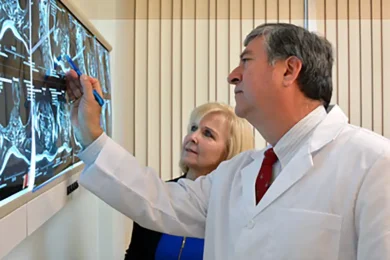
To diagnose radiculitis, a doctor must perform a medical and physical examination to assess the symptoms and rule out any other condition. Most likely, a doctor will request an MRI, as well as additional imaging testing to confirm the diagnosis before discussing radiculitis treatment options.
Exams & Tests
After the initial diagnosis, an imaging test will help confirm the diagnosis, as well as locate the nerves being affected. To do this, an x-ray, MRI or CT scan can help rule out other conditions while providing a clear view of the spinal canal. If there are any indications of nerve damage, an electromyogram (EMG) may be requested to test nerve function.
How Do You Know if you Have Radiculitis?
Radiculitis symptoms are similar to those of having a nerve injury or pinched nerve. The pain will vary based on the location of the affected nerve. Cervical radiculitis will affect the upper extremities while thoracic radiculitis will affect the mid-back; lumbar radiculitis, which is more common, will affect the lower extremities. Some of the symptoms associated with radiculitis include muscle weakness, pain, numbness and tingling radiating down through the back and into the arms, hands, legs or feet.
Along with the symptoms of radiculitis, a complete medical examination and imaging studies, such as an x-ray, can help find the source of the radiating pain. An MRI with a dye injection (called an MRI with contrast) may be used to visualize the soft tissue, spinal cord, and exiting nerve roots.
Radiculitis Treatment & Surgery Options
After diagnosis, a treatment plan will help patients find pain relief and prevent any nerve damage. Therapy for radiculitis will vary depending on the symptoms being experienced and the severity of the symptoms.
Non-Surgical Treatment
To start, non-surgical treatment for radiculitis can help provide pain relief. But, if there’s another spinal condition causing the nerve compression, other treatment options must be explored. In general, conservative treatment for radiculitis includes a combination of physical therapy, medications, and medical procedures. In most cases, non-surgical treatment comprises:
- Medications: Doctors will recommend nonsteroidal anti-inflammatory drugs, muscle relaxants, and nerve pain meditation.
- Therapy: Massages, cryotherapy, physical therapy, chiropractic treatment, and hot and cold therapy.
- Medical procedures: Epidural steroid injections and nerve block injections.
Seeking treatment for radiculitis should not be delayed. Depending on the severity, certain muscles (e.g. muscles in the toes, feet, and calves) may begin muscle atrophy over time, which, in turn, may require physical therapy for recovery. Also, radiculitis is known to cause patients to “favor” certain muscles or a certain side of their body, which can result in the overdevelopment of those muscles relative to the ones that don’t get used as much.
Physical Therapy
Physical therapy as part of lumbar radiculitis treatment will involve passive and active modalities. This type of therapy may include hot/cold therapy, electrical stimulation, specific exercises for strengthening the back and stretches.
Hot/Cold Therapy
Heat or cold therapy will involve the use of cold and/or hot packs. Heat therapy works by dilating the blood muscles of the vessels around the spine. The process increases the flow of oxygen and nutrients to the muscles to stimulate healing. Heat also stimulates the sensory receptors, which decreases the pain signals to the brain, partially relieving your discomfort. Finally, heat stretches the soft tissues around the spine, increasing flexibility and overall comfort. Cold therapy can relieve pain, swelling and inflammation. Ice massage and ice application is generally most helpful following an injury that strains the back muscles.
Pain Medication
Over-the-counter and prescribed pain medication, such as anti-inflammatory medications, can help decrease inflammation, decrease muscle spasms, and overall, just provide pain relief. Acetaminophen, muscle relaxers, and opiate pain relievers may be prescribed.
Exercise
While physical therapy can include exercise, some patients may also be given a regimen to follow. Low impact aerobic exercising such as cycling, walking, and swimming can help ease some of the pain.
Therapeutic Massage
Massage therapy can provide pain relief for those suffering from low back pain. A skilled massage therapist can provide the right amount of pressure to ensure pain relief, but not agitate the problem. Massage therapy works by isolating and rejuvenating the back muscles. It can help with muscle tension and inflammation, muscle spasms, and back stiffness.
Surgical Treatment
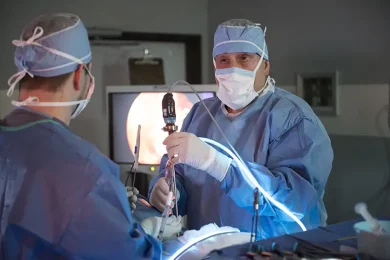
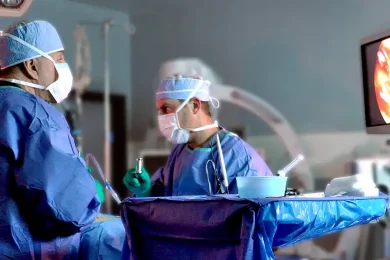
When radiculitis is causing severe pain, and it’s not responding to conservative treatment, surgical intervention may be necessary to provide pain relief and prevent further damage. The Bonati Spine procedures are an array of procedures that can safely and quickly relieve the problem causing radicular pain. When the pain is severe or does not respond to conventional radiculitis treatment, such as rest, analgesics, anti-inflammatories, muscle relaxants or physical therapy, or the pain is due to failed back surgery syndrome, surgical procedures may be required.
Using local anesthetic, our experienced spinal surgeons insert specially designed instruments directly over the affected area. The patented Bonati Spine Procedures are done in an outpatient setting and do not require a hospital stay. Benefits of the Bonati Spine Procedures include rapid recovery to a normal lifestyle, local anesthesia, minimal blood loss, minimal damage to tissues, a small incision and fewer risks and complications compared to traditional open surgery and spinal fusions.
The Bonati Spine Procedures offer an array of procedures to treat radiculitis, which may include:
Discectomy
If the underlying cause of radiculitis is a herniated disc or bulging disc, a discectomy can be completed. The procedure involves removing the herniated disc material that is constricting the nerve roots of the spinal cord. Part of the nucleus pulposus, the center of an intervertebral disc, will be removed.
Foraminotomy/Foraminectomy
A foraminotomy/foraminectomy relieves nerve pressure by opening the neural foramina, the small spacing in between the vertebrae where the nerve roots exit the spinal canal. Many conditions, such as spinal stenosis, spondylolisthesis, or a thickening of the ligaments can cause the neural foramina to narrow.
Laser Debridement
Debridement is the surgical removal of torn, inflamed, contaminated, damaged or dead tissue. Debridement may be completed in the lumbar, thoracic or cervical spine. Laser debridement involves using a laser to obliterate the tissue.
The Bonati Spine Institute encourages patients with radiculitis to contact us to request a no-obligation MRI review or discuss your conditions with our medical professionals.
Find out why The Bonati Spine Procedures are considered to be among the world’s best solutions when it comes to advanced spine surgery. Your pain from spinal stenosis can become a thing of the past.
Prevention & Self-Care
Depending on the underlying cause, specific prevention and self-care practices can help reduce the risk of further injury. However, radiculitis is often the result of degeneration and wear and tear throughout the years, which means it’s not completely preventable. But, those at risk can include these practices into their routines to maintain a healthy spine:
- Avoiding twisting movements that place a strain on the spine
- Quitting smoking
- Limiting alcohol consumption
- Maintaining proper posture
- Avoiding lifting or pushing heavy objects
- Following proper rest after injury
Click here to see more of our videos to see how we help our patients.